





Grey belt
In urban planning, the term "grey belt" refers to areas within a city that are characterised by a high degree of impervious surfaces such as concrete, asphalt, and buildings, which are often associated with industrial, commercial, or densely built residential zones. These areas typically have little to no green space or vegetation, leading to various environmental and social challenges. The term "grey belt" is often used in contrast to "green belt," which refers to areas of protected open space or countryside around urban areas designed to limit urban sprawl and provide recreational areas, agricultural land, and wildlife habitats.
Key features include:
- The predominance of surfaces that do not absorb water, contributing to increased runoff and potential flooding.
- The concentration of buildings and paved surfaces can lead to higher temperatures in grey belt areas compared to surrounding rural areas.
- Limited parks, gardens, and natural areas, which can negatively impact residents' quality of life, mental health, and physical well-being.
- Potential for higher levels of pollution (air, water, noise) due to industrial activities and dense traffic.
- Possible socio-economic issues, such as higher population density, limited recreational facilities, and reduced aesthetic appeal.
Urban planners often seek to address the challenges of grey belts through strategies including:
- Introducing parks, green roofs, street trees, and community gardens to increase green space and improve environmental quality.
- Encouraging the use of permeable materials, green building techniques, and energy-efficient infrastructure.
- Promoting developments that combine residential, commercial, and recreational spaces to create more balanced and vibrant communities.
- Enhancing public transportation and pedestrian-friendly infrastructure to reduce reliance on cars and decrease pollution.
The National Planning Policy Framework (NPPF), published by the Ministry of Housing, Communities and Local Government in December 2024, states: ‘For the purposes of plan-making and decision-making, ‘grey belt’ is defined as land in the Green Belt comprising previously developed land and/or any other land that, in either case, does not strongly contribute to any of purposes (a), (b), or (d) in paragraph 143. ‘Grey belt’ excludes land where the application of the policies relating to the areas or assets in footnote 7 (other than Green Belt) would provide a strong reason for refusing or restricting development.’
[edit] Related articles on Designing Buildings
Featured articles
Check out some of the best features and news from Designing Buildings as well as key stories from around the web.
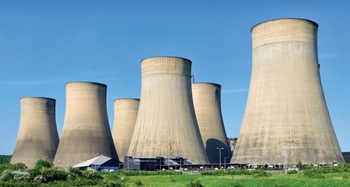
The heritage of nuclear and conventional power stations.
New measures to stop people being ripped off

Government to protect families from cowboy builders and aggressive bailiffs.

New Futurebuild showcase brings an innovation-first approach.
National Planning Policy Framework
Understanding the 2026 changes.
ECA's public affairs priorities

Member consultation opens to shape priorities for 2027 to 2030.
Dutyholder responsibilities from 1 July 2026.
Where performance meets practice
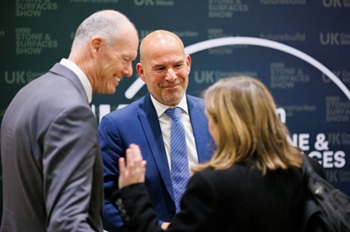
The Building Envelope Stage at UKCW Birmingham.
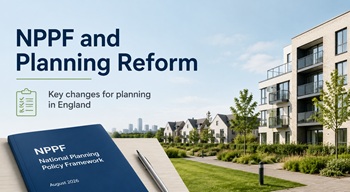
CIAT publishes briefing on planning reforms.
Leaders in Learning for Practice Network

Call for conservation leaders in learning to register interest in new network.
The importance of early engagement
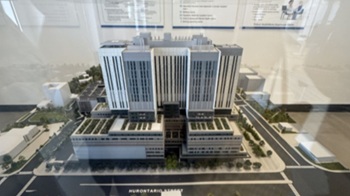
Construction lessons from the Trillium HealthWorks Experience Centre.
Mayors are to be given planning call in powers
Mayors across England will be able to make the most important planning decisions.
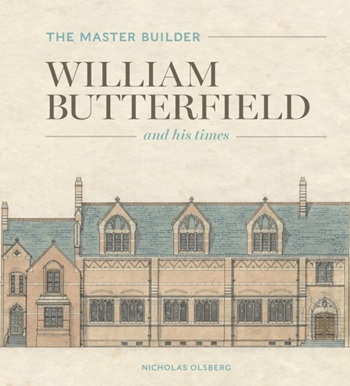
The Master Builder: William Butterfield and his times. Book review.